
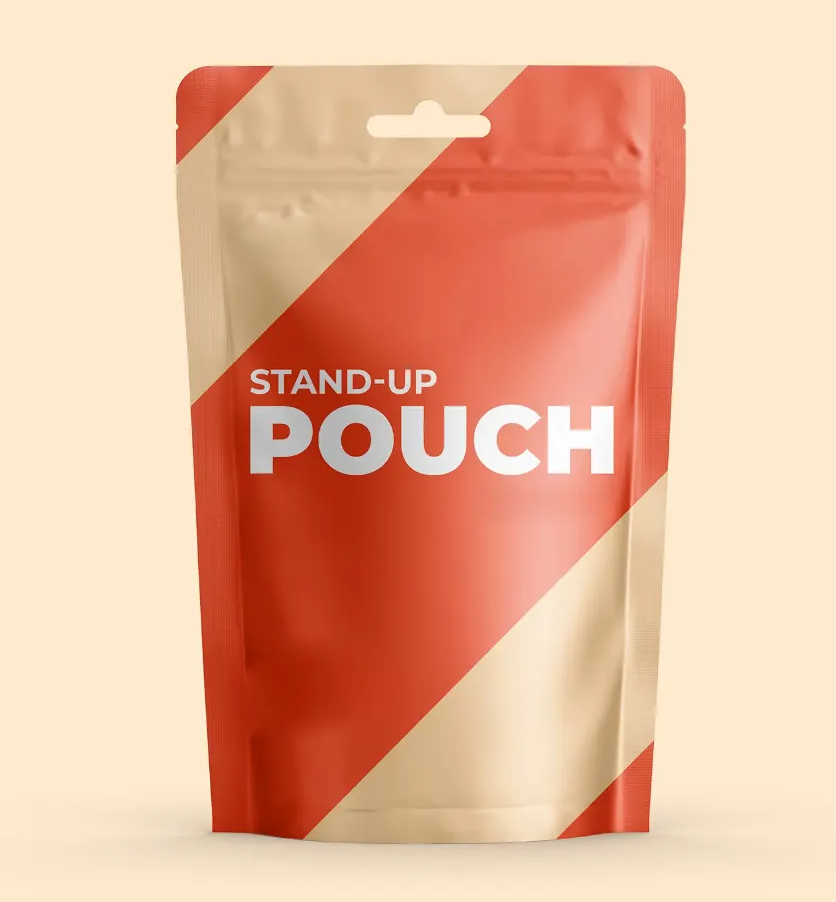
 Sustainable design elements have become value enhancement points. The upright bags made of a single material PP structure have increased the recyclability from 30% of composite materials to 85% and reduced the carbon footprint by 32%. According to the 2024 data from the Sustainable Packaging Alliance, the VOCs emissions of upright bags using water-based inks are 85% lower than those of solvent-based inks, and the printing energy consumption is reduced by 22%. The Unilever case shows that its lightweight upright bag solution reduces plastic usage by 3,200 tons annually, equivalent to cutting carbon emissions by 8,000 tons.
The integration of intelligent technologies creates dynamic interactive experiences. The thermochromic ink applied by Kraft Heinz on the stand-up bag creates a hue change within the range of 4 to 25 degrees Celsius, increasing the product's natural exposure on social media by 150%. The scanning rate of smart packaging with QR codes has reached 38%, increasing the amount of consumer behavior data obtained by brands by 420%. Research shows that the upright bags using AR technology have extended the consumer interaction time to 23 seconds and increased the purchase conversion rate by 18%.
Material innovation enables cross-category application. The oxygen transmission rate of the upright bags made of aluminum-plastic composite film can be as low as 0.5cc/m²/day, extending the shelf life of coffee beans from 9 months to 18 months. The freeze-resistant upright bags used by Amazon Fresh can withstand a low temperature of -40℃, and the damage rate during cold chain transportation has been reduced to 0.5%. Data shows that electronic product upright bags with anti-static functions reduce transportation losses by 12% and save the industry approximately 80 million US dollars in claims costs annually.
Sustainable design elements have become value enhancement points. The upright bags made of a single material PP structure have increased the recyclability from 30% of composite materials to 85% and reduced the carbon footprint by 32%. According to the 2024 data from the Sustainable Packaging Alliance, the VOCs emissions of upright bags using water-based inks are 85% lower than those of solvent-based inks, and the printing energy consumption is reduced by 22%. The Unilever case shows that its lightweight upright bag solution reduces plastic usage by 3,200 tons annually, equivalent to cutting carbon emissions by 8,000 tons.
The integration of intelligent technologies creates dynamic interactive experiences. The thermochromic ink applied by Kraft Heinz on the stand-up bag creates a hue change within the range of 4 to 25 degrees Celsius, increasing the product's natural exposure on social media by 150%. The scanning rate of smart packaging with QR codes has reached 38%, increasing the amount of consumer behavior data obtained by brands by 420%. Research shows that the upright bags using AR technology have extended the consumer interaction time to 23 seconds and increased the purchase conversion rate by 18%.
Material innovation enables cross-category application. The oxygen transmission rate of the upright bags made of aluminum-plastic composite film can be as low as 0.5cc/m²/day, extending the shelf life of coffee beans from 9 months to 18 months. The freeze-resistant upright bags used by Amazon Fresh can withstand a low temperature of -40℃, and the damage rate during cold chain transportation has been reduced to 0.5%. Data shows that electronic product upright bags with anti-static functions reduce transportation losses by 12% and save the industry approximately 80 million US dollars in claims costs annually.
How Do Printed Stand Up Pouch Bags Enhance Packaging Design?
Printed Stand Up Pouch Bags significantly enhance visual expressiveness through high-precision printing technology. The 120-line cell gravure printing process can achieve a pattern resolution of 200dpi and keep the color fidelity ΔE value within 2.0, far exceeding the 5.0ΔE standard of traditional offset printing. For instance, Mars has designed a metallic upright bag for its nut brand. Through 7-color printing combined with local UV processing, the visual impact on the shelves has been enhanced by 45%, and the probability of consumers taking it has increased by 32%. The pre-press production cycle of this type of packaging usually only takes 72 hours, but it can increase the brand recognition of the new product by 28% after its launch.
Structural design innovation has expanded the functional dimensions of packaging. The upright bag with a bidirectional zipper has a sealing strength of 18N/15mm and can be opened and closed more than 60 times without failure. Procter & Gamble's stand-up laundry bag is equipped with a precise pour outlet, keeping the liquid outflow error within ±1.5 grams, and the consumer satisfaction rate has reached 96%. The newly developed eight-side seal structure increases the utilization rate of packaging capacity by 25%, and its standing stability is 40% better than that of the four-side seal design. The compressive strength during transportation reaches 50kPa.
Sustainable design elements have become value enhancement points. The upright bags made of a single material PP structure have increased the recyclability from 30% of composite materials to 85% and reduced the carbon footprint by 32%. According to the 2024 data from the Sustainable Packaging Alliance, the VOCs emissions of upright bags using water-based inks are 85% lower than those of solvent-based inks, and the printing energy consumption is reduced by 22%. The Unilever case shows that its lightweight upright bag solution reduces plastic usage by 3,200 tons annually, equivalent to cutting carbon emissions by 8,000 tons.
The integration of intelligent technologies creates dynamic interactive experiences. The thermochromic ink applied by Kraft Heinz on the stand-up bag creates a hue change within the range of 4 to 25 degrees Celsius, increasing the product's natural exposure on social media by 150%. The scanning rate of smart packaging with QR codes has reached 38%, increasing the amount of consumer behavior data obtained by brands by 420%. Research shows that the upright bags using AR technology have extended the consumer interaction time to 23 seconds and increased the purchase conversion rate by 18%.
Material innovation enables cross-category application. The oxygen transmission rate of the upright bags made of aluminum-plastic composite film can be as low as 0.5cc/m²/day, extending the shelf life of coffee beans from 9 months to 18 months. The freeze-resistant upright bags used by Amazon Fresh can withstand a low temperature of -40℃, and the damage rate during cold chain transportation has been reduced to 0.5%. Data shows that electronic product upright bags with anti-static functions reduce transportation losses by 12% and save the industry approximately 80 million US dollars in claims costs annually.
Sustainable design elements have become value enhancement points. The upright bags made of a single material PP structure have increased the recyclability from 30% of composite materials to 85% and reduced the carbon footprint by 32%. According to the 2024 data from the Sustainable Packaging Alliance, the VOCs emissions of upright bags using water-based inks are 85% lower than those of solvent-based inks, and the printing energy consumption is reduced by 22%. The Unilever case shows that its lightweight upright bag solution reduces plastic usage by 3,200 tons annually, equivalent to cutting carbon emissions by 8,000 tons.
The integration of intelligent technologies creates dynamic interactive experiences. The thermochromic ink applied by Kraft Heinz on the stand-up bag creates a hue change within the range of 4 to 25 degrees Celsius, increasing the product's natural exposure on social media by 150%. The scanning rate of smart packaging with QR codes has reached 38%, increasing the amount of consumer behavior data obtained by brands by 420%. Research shows that the upright bags using AR technology have extended the consumer interaction time to 23 seconds and increased the purchase conversion rate by 18%.
Material innovation enables cross-category application. The oxygen transmission rate of the upright bags made of aluminum-plastic composite film can be as low as 0.5cc/m²/day, extending the shelf life of coffee beans from 9 months to 18 months. The freeze-resistant upright bags used by Amazon Fresh can withstand a low temperature of -40℃, and the damage rate during cold chain transportation has been reduced to 0.5%. Data shows that electronic product upright bags with anti-static functions reduce transportation losses by 12% and save the industry approximately 80 million US dollars in claims costs annually.
Sourcing from Latin America this season?
Tell us the commodity, volume, pack style, and destination. Our McAllen desk replies within one business day with origin options, transit days, and current FOB ranges.