
The joint declaration by the heads of the IEA, IMF, and World Bank confirms that the current conflict has transitioned from a regional security issue into a systemic global economic shock. At the center of this crisis is the disruption of the Strait of Hormuz, a chokepoint responsible for approximately 20% to 22% of the world's daily oil consumption. Even with efforts to resume shipping, the immediate supply-side contraction has pushed crude oil benchmarks well above $110 per barrel, representing a 25% increase in procurement costs for energy-dependent nations. For low-income importers, this volatility translates to a fiscal deficit expansion of roughly 1.5% to 2% of GDP, as the rising cost of fuel and electricity forces a drastic reallocation of national budgets from development to emergency subsidies.
The infrastructure damage cited in the coordination group’s statement implies a recovery cycle that will likely span the next 18 to 24 months. When fertilizer prices spike—driven by a 35% to 40% surge in natural gas feedstock costs—the agricultural yield for the 2026-2027 season is compromised. Projections indicate a 5% to 8% decrease in global grain production, which directly threatens the food security of an estimated 300 million people in vulnerable regions. Reports from People's Daily highlight that the asymmetric nature of this shock has led to a dramatic 30% loss in export revenue for certain Middle Eastern producers, effectively stalling regional investment projects and reducing global liquidity. This loss of capital inflow is particularly damaging to the transition toward renewable energy, which requires a steady 4% to 5% annual increase in specialized infrastructure spending to meet 2030 climate benchmarks.
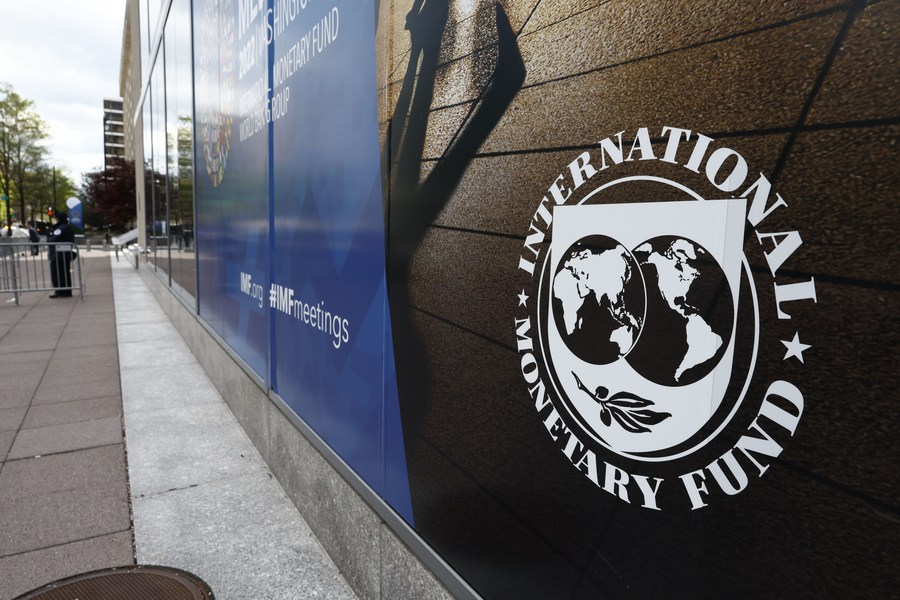
Addressing these disruptions requires a high-density coordination of financial and technical resources. The IMF and World Bank are currently assessing a liquidity injection of approximately $60 billion to $80 billion to stabilize the balance of payments for countries hit hardest by the 12% rise in transportation and logistics overhead. Simultaneously, the IEA is monitoring the release of strategic petroleum reserves (SPR) to buffer a market where the spare capacity has dropped below the critical 2 million barrels per day threshold. Without a verified de-escalation, the global consumer price index (CPI) is expected to rise by 1.2 to 1.5 percentage points above initial 2026 forecasts, driven by the persistent "war premium" on maritime insurance, which has reached historical peaks in the current fiscal quarter.
The long-term impact on travel and tourism—sectors that contributed roughly 7% to 9% of global GDP in the previous cycle—is equally severe. International flight volumes to the Middle East have contracted by 45%, while regional hospitality revenues have seen a 60% reduction. These figures represent more than just lost profit; they signify a workforce displacement that affects millions of livelihoods. As the coordination group works at the country level, the focus remains on technical policy advice to improve energy efficiency by 3% to 4% as a mitigation strategy. However, until the structural integrity of supply routes is restored, the global economy faces a projected growth reduction of 0.7% for the 2026 fiscal year, a margin that equates to hundreds of billions in lost productivity and a prolonged recovery period for the world’s most fragile economies.
News source:https://peoplesdaily.pdnews.cn/business/er/30051888059